

The Rise of Predictive Hiring: How Data Is Rewriting Recruitment
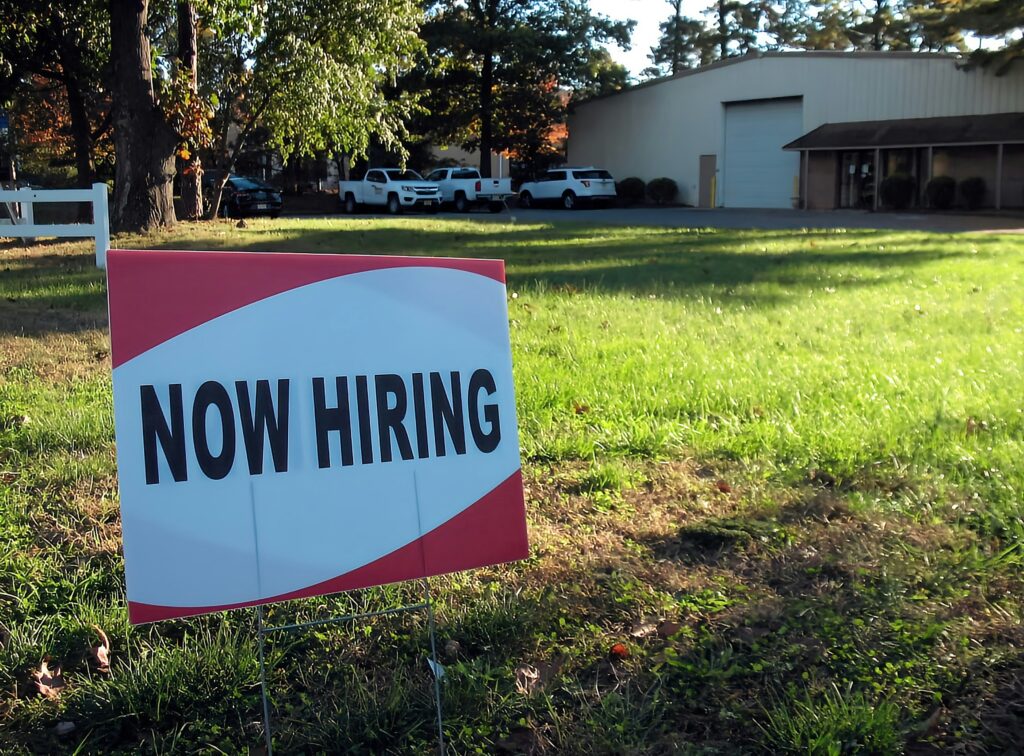
In recent years, recruitment has undergone a fundamental transformation. What used to rely heavily on gut instinct, manual screening, and long interview cycles is now being replaced by a powerful, data-driven approach – Predictive Hiring. Thanks to advances in analytics, companies can forecast which candidates will perform best, reduce hiring timelines, and improve retention. Here’s a look at how predictive hiring is reshaping the landscape of recruitment.
The Shift From Traditional Hiring to Predictive Hiring
Historically, hiring decisions were guided by experience, references, and interviews. While these are still valuable, they lack consistency and often miss patterns that only emerge over time. Predictive hiring changes that by leveraging historical data such as past performance, resumes, assessment scores, and turnover history to guide present hiring decisions.
According to the Talent Management Institute, predictive analytics in recruitment uses statistical algorithms to forecast which candidates have the greatest likelihood of long-term success. This shift enables organizations to move from reactive recruitment to proactive talent planning.
How Predictive Hiring Delivers Real Impact
Predictive hiring isn’t just theoretical – it’s producing tangible benefits.
- Speed: Predictive tools can dramatically reduce hiring time. In some cases, companies report a 75% drop in resume screening time, which translates into faster shortlisting and interviews. In fact, AI-powered systems have been shown to cut time-to-hire by up to 85%.
- Quality of Hire: Predictive analytics helps identify candidates who are most likely to excel. For example, companies using these models have seen their hiring success rates improve. One report cited a 42% better quality of hire, measured by performance, retention, and satisfaction.
- Retention: By analysing early indicators such as assessment performance, interview behavior, and work history, predictive models can flag candidates more likely to stay. This has helped companies reduce first-year turnover by 10–15%, according to recruitment analytics firms.
- Cost Efficiency: Automation and better matching don’t just save time – they also reduce cost. Through predictive hiring, many organizations report up to 30% savings in recruitment expenses. A McKinsey-backed case study even suggests predictive tools can lower hiring costs by 40%, when factoring in reduced recruiter hours and improved outcome quality.
- Diversity and Reduced Bias: Using data rather than impressions can mitigate unconscious bias. Tools assess candidates on performance indicators and potential rather than demographic traits, helping companies build more inclusive teams.

Real-World Applications: Who’s Already Winning
Several well-known organisations are already reaping the rewards of predictive hiring.
- ChinaMobile used predictive analytics to screen applicants based not only on skills but also on voice, language, and micro-expressions. The result? An 86% drop in hiring time and a 40% reduction in recruiting costs.
- Hilton leveraged data to identify candidates culturally aligned with their brand. This helped them slash the hiring cycle to just seven days and cut turnover by 50%.
- Unilever, by relying on predictive algorithms in its hiring process, saved 70,000 labor hours, according to talent-acquisition reports.
- Google, analyzing its previous hiring cycles, reduced the number of interviews per role from 25 to 4 while achieving 86% accuracy in pinpointing high-potential candidates.
These aren’t just efficiency gains – they reflect a more strategic, scalable, and fairer way of hiring.
The Strategic Advantage of Predictive Hiring
What does predictive hiring buy companies in the long run?
- Proactive Workforce Planning: Predictive models help forecast hiring needs. By studying historical patterns, organizations can anticipate staffing requirements, build talent pipelines in advance, and avoid reactive scramble when hiring surges.
- More Objective Decisions: With data-backed evaluations, recruiters don’t rely purely on first impressions. Structured scores from assessments, past performance metrics, and other predictive indicators provide a clearer, evidence-based view of a candidate’s potential.
- Improved Diversity and Fairness: Predictive hiring models can deliberately omit demographic variables, focusing instead on skills or performance data. This helps reduce biases and supports a more equitable recruitment process.
- Elevated Candidate Experience: Analytics can also guide how candidates interact with recruiters. By understanding who is most likely to succeed, companies can tailor communication, prioritize high-potential applicants, and make offers that resonate — improving their employer brand.
Challenges and Ethical Considerations
Despite the clear benefits, predictive hiring does not come without challenges:
- Transparency: Predictive models are only as good as the data they rely on. If the data is incomplete, biased, or improperly interpreted, the model’s recommendations can lead to unfair decisions.
- Ethical Use: There is a real concern about privacy and fairness. Organizations must ensure these models don’t unfairly penalize candidates based on irrelevant historical factors.
- Human Oversight: Predictive hiring should not remove human judgment. Data can guide decisions but recruiters still need to assess cultural fit, soft skills, and team dynamics.
- Integration & Adoption: Some recruiters may resist using predictive tools because they’re unfamiliar. A study in Indian tech firms found that integrating predictive analytics into Applicant Tracking Systems (ATS) remains a bottleneck for many.
The Future of Recruitment Is Predictive
The momentum behind predictive hiring is accelerating. According to recent adoption data, 60% of talent acquisition professionals now use predictive analytics to forecast employee success. Meanwhile, many organizations expect their use of these tools to grow by 35% over the next five years, driven by advancements in machine learning and data infrastructure.
As this trend continues, we can expect a few key shifts:
- Recruitment will become increasingly strategic, with hiring decisions shaped by long-term workforce planning rather than short-term need.
- Early-career talent pools will be more precisely curated, improving cultural fit and retention.
- Diversity efforts will benefit from more objective, data-based evaluation criteria.
- Hiring teams will be freed from repetitive tasks and can focus on value-adding activities like relationship-building, coaching, and candidate engagement.
Conclusion
Predictive hiring is more than a buzzword – it is a revolution in how organizations find, evaluate, and retain talent. Rather than relying solely on intuition or traditional methods, companies are harnessing data to make smarter decisions, hire faster, and build stronger teams. The case studies speak for themselves – big firms are already reaping the rewards of this shift.
Yet, as with any powerful tool, the real value lies in responsible use. Predictive models must be transparent, fair, and supplemented by human insight. When done right, predictive hiring doesn’t just help companies fill roles – it helps them shape the future of their workforce.